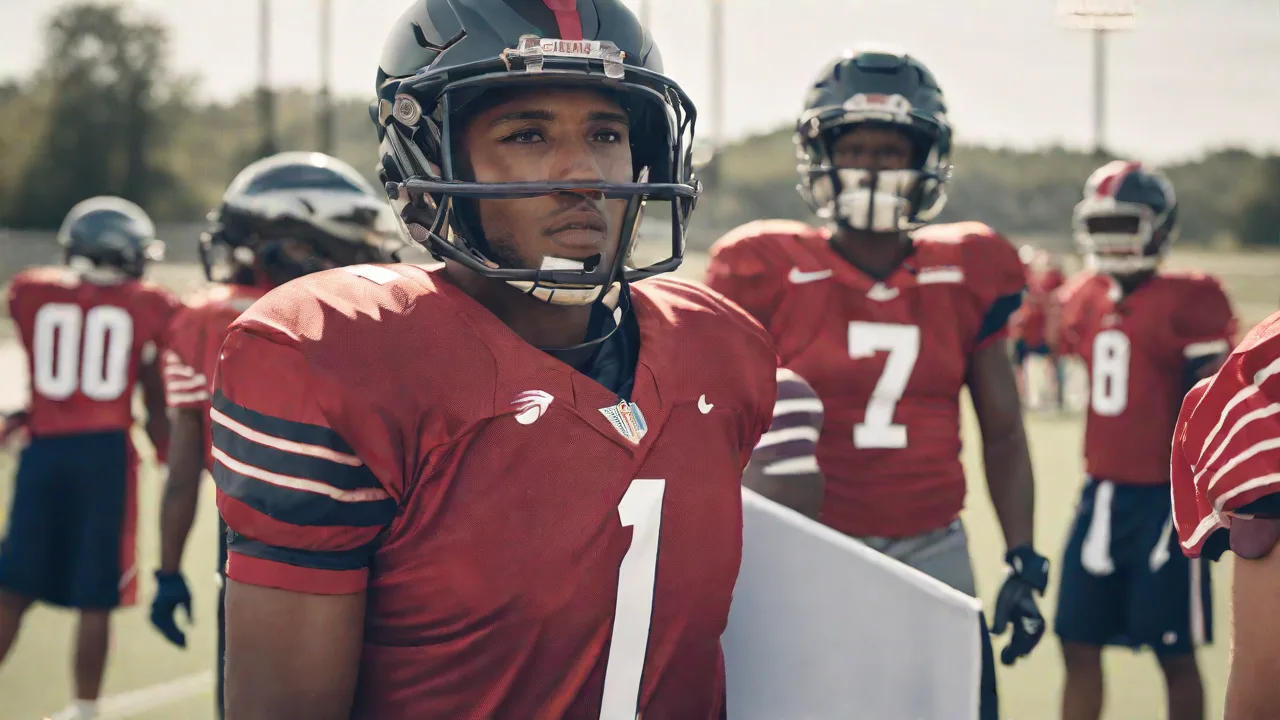
Tips for Ordering Bulk Custom Jerseys for Sports Teams or Organizations
Ordering bulk custom jerseys for sports teams or organizations is an excellent way to promote unity, enhance team spirit, and present a professional appearance during competitions and events. However, the process of ordering a large quantity of personalized jerseys requires careful planning and attention to detail to ensure you receive high-quality products that meet your team’s needs and budget. In this comprehensive guide, we will explore in-depth tips and best practices to help you navigate the bulk ordering process successfully, from initial planning to final delivery.
Plan Your Budget and Quantity Thoroughly
One of the first and most critical steps in ordering bulk custom jerseys is establishing a clear budget and determining the exact number of jerseys required. Bulk orders often come with significant discounts, so knowing your precise quantity upfront can help you negotiate better prices and avoid unnecessary expenses.
When calculating the quantity, consider not only the current roster size but also potential future needs. For example, anticipate player turnover, growth of your organization, or the need for replacement jerseys due to wear and tear. Ordering slightly more than the current team size—typically 5% to 10% extra—can save you from higher costs and delays if additional jerseys are needed later.
Also, factor in any variations such as practice jerseys, warm-up tops, or alternate uniforms, if applicable. These additional items might affect your overall budget and require separate ordering considerations.
Choose the Right Material and Fit for Performance and Comfort
Selecting the appropriate fabric and fit is essential for ensuring your team’s comfort, durability, and on-field performance. Jerseys must withstand physical activity, frequent washing, and exposure to various weather conditions.
Material Options
- Polyester: Polyester is the most common material used for sports jerseys due to its durability, lightweight nature, and resistance to shrinking and stretching. It also dries quickly, which is beneficial during intense physical activity.
- Moisture-Wicking Fabrics: Advanced moisture-wicking materials, often polyester blends, help draw sweat away from the body, keeping players dry and comfortable during games. These fabrics improve breathability and reduce chafing.
- Mesh Panels: Some jerseys incorporate mesh panels in key areas like underarms or sides to enhance ventilation and airflow.
- Eco-Friendly Options: For teams concerned about sustainability, some manufacturers offer jerseys made from recycled polyester or other environmentally friendly materials.
Fit Styles
Jersey fit impacts player comfort and mobility. Consider the preferences and needs of your team when selecting the fit:
- Loose Fit: Provides maximum comfort and airflow, ideal for casual or recreational teams.
- Athletic Fit: Slightly tapered and designed to allow freedom of movement without excess fabric, popular among competitive teams.
- Slim Fit: More form-fitting and modern, often favored by elite athletes who want minimal drag and a sleek look.
It’s recommended to acquire sample jerseys in different fits to allow players to try them on and provide feedback before placing the full order.
Consider Size Variations and Accurate Sizing
Sports teams typically have members with diverse body types, so providing a wide range of sizes is crucial. Ordering only a handful of common sizes can lead to discomfort or the need for costly exchanges.
Using Size Charts and Measurements
Most suppliers provide detailed size charts with measurements for chest, waist, length, and other relevant dimensions. Distribute these charts to team members and encourage them to measure themselves accurately. This practice helps minimize sizing errors and ensures better fit satisfaction.
Sampling and Fitting Sessions
Organizing a fitting session with sample jerseys can be invaluable. Players can try on different sizes and fits, helping you finalize size distributions for the bulk order. This step is particularly important for youth teams or organizations with new members unfamiliar with sizing standards.
Special Sizes and Customization
If your team includes players with unique sizing needs—such as very tall, petite, or plus-size athletes—confirm with your supplier whether custom sizing or extended size ranges are available. This ensures inclusivity and comfort for all team members.
Design Your Jerseys with Team Branding and Visibility in Mind
The jersey design is the primary way your team identity is showcased. A well-designed jersey not only looks professional but also boosts team morale and recognition during competitions.
Work Closely with a Reputable Supplier or Designer
Partnering with experienced designers or suppliers who specialize in sports apparel can make a significant difference. They can provide guidance on design feasibility, color matching, and printing techniques.
Keep Your Design Clear and Impactful
- Logos: Use high-resolution logos to avoid pixelation or blurring in the final print. Position logos prominently on the chest, sleeves, or back depending on your preference.
- Team Name and Numbers: Select fonts that are bold and easy to read from a distance. Ensure numbers are large enough for referees and spectators to identify players during games.
- Colors: Choose colors that align with your team’s branding. High contrast between text and background colors increases visibility.
- Design Simplicity: Avoid overly complex designs or cluttered graphics. Clean, simple designs tend to look more professional and are easier to reproduce accurately.
Design Tools and Proofing
Many suppliers offer online design tools or templates that allow you to visualize your jersey before ordering. Take advantage of these tools to tweak your design and request digital proofs. Always review proofs carefully and consult with your team before final approval to prevent costly mistakes.
Choose Appropriate Placement and Color Schemes for Optimal Visibility
Strategic placement of logos, text, and numbers enhances the jersey’s functionality and aesthetic appeal.
Placement Tips
- Front Chest: Ideal for team logos and sponsor branding.
- Back: Commonly used for player names and numbers.
- Sleeves and Shoulders: Good for secondary logos, league patches, or motivational symbols.
- Side Panels: Can be used for graphic accents or color blocking.
Color Considerations
Colors should not only reflect your team identity but also maintain high visibility in various lighting and weather conditions. For example, light-colored jerseys may be more visible in night games under stadium lighting, while darker colors might perform better in bright sunlight.
Additionally, consider the colors of opposing teams to avoid confusion during matches. Many leagues have guidelines about uniform colors to ensure clear distinction between teams.
Select a Reliable and Experienced Supplier
The choice of supplier can make or break your bulk jersey order. Look for companies with a proven track record in custom sports apparel production, positive customer reviews, and transparent communication.
What to Look for in a Supplier
- Experience: Suppliers specializing in team sports jerseys understand the nuances of fabric, printing methods, and sizing.
- Quality Assurance: Ask about quality control processes, materials used, and durability guarantees.
- Customization Options: Ensure they offer a range of printing methods (screen printing, sublimation, embroidery) and design flexibility.
- Turnaround Time: Confirm estimated production and delivery timelines to align with your event schedule.
- Customer Support: Choose suppliers who provide responsive support and clear communication throughout the ordering process.
Request Samples and References
Before committing to a large order, request physical samples or photographs of previous bulk orders to assess quality firsthand. Additionally, ask for references or testimonials from other teams or organizations to gauge supplier reliability.
Plan Your Timing and Delivery Carefully
Timing is crucial when ordering bulk custom jerseys. Production and shipping can take several weeks, especially during peak seasons.
Order Well in Advance
Place your order at least 6 to 8 weeks before your first game or event to allow sufficient time for design finalization, production, quality checks, and delivery. Last-minute orders often result in rushed production, increased costs, or compromised quality.
Shipping and Handling
Confirm shipping options, costs, and delivery methods with your supplier. For large orders, consider freight shipping to reduce costs but plan for longer transit times.
If you are ordering internationally, factor in customs clearance and potential delays.
Contingency Planning
Build in extra time for unexpected issues such as design revisions, sizing corrections, or weather-related shipping delays. Having a buffer ensures your team receives the jerseys on time without stress.
Final Tips for a Successful Bulk Jersey Order
- Order Extra Jerseys: Always include a few additional jerseys beyond your immediate needs to accommodate new players, replacements, or errors.
- Understand Return and Exchange Policies: Clarify the supplier’s policies on returns, refunds, and exchanges, especially for custom orders which often have strict conditions.
- Maintain Clear Communication: Provide detailed specifications, including colors (with Pantone or HEX codes), sizes, fonts, and design files to avoid misunderstandings.
- Request Samples or Mock-Ups: Obtain physical samples or digital mock-ups before final order approval to verify design accuracy and quality.
- Keep Documentation: Save all correspondence, design files, and order confirmations for reference in case of discrepancies.
- Engage Team Members: Involve team captains or representatives in the ordering process to ensure collective agreement on design and sizing.
Conclusion
Ordering bulk custom jerseys is an investment in your team’s identity, performance, and cohesion. By thoughtfully planning your budget, selecting the right materials and designs, accommodating size variations, choosing a trustworthy supplier, and managing timelines carefully, you can secure high-quality jerseys that your players will wear with pride. Taking the time to follow these detailed tips will help streamline the ordering process, avoid common pitfalls, and ultimately deliver a product that enhances your team’s presence both on and off the field.