Table of Contents
Designing custom jerseys for mixed-gender sports teams presents a unique and rewarding challenge that blends creativity, functionality, and inclusivity. These jerseys not only serve as athletic apparel but also as powerful symbols that unite diverse team members under a common identity. In mixed-gender teams, where players come with varying body types, preferences, and needs, thoughtful jersey design plays a crucial role in fostering a sense of belonging, equality, and team spirit. This comprehensive guide explores the essential aspects of designing custom jerseys that authentically represent mixed-gender teams while prioritizing comfort, style, and performance.
Understanding the Importance of Inclusive Design in Sports Apparel
Inclusive design transcends aesthetic appeal; it ensures that each team member feels valued and comfortable wearing the jersey. In mixed-gender teams, inclusivity means accommodating a wide spectrum of body shapes and sizes, avoiding designs that reinforce gender stereotypes, and promoting equality through apparel. Jerseys that fit well and look good on all players contribute to heightened confidence and cohesion on and off the field.
Moreover, an inclusive jersey design can positively influence team dynamics by symbolizing unity and mutual respect. When players recognize their individual needs are considered in the team’s attire, it fosters motivation and pride, enhancing overall performance.
The Role of Gender Neutrality in Design
Gender-neutral design involves selecting colors, cuts, and graphics that do not conform to traditional gender expectations. This approach helps eliminate barriers and creates a welcoming environment for all athletes. For example, instead of using colors traditionally associated with masculinity or femininity, designers might opt for bold, vibrant hues or classic neutrals that appeal universally. This strategy also respects and supports non-binary or gender-fluid team members.
Key Elements of Designing Custom Jerseys for Mixed-Gender Teams
Successful jersey design balances multiple factors that influence both the appearance and functionality of the garment. Below are the core elements that designers and team managers should consider:
Material Selection
The choice of fabric is foundational in creating jerseys that perform well and feel comfortable for everyone. Materials should be:
- Breathable: Fabrics like polyester blends with moisture-wicking properties help keep players dry and cool during intense physical activity.
- Stretchy and Flexible: Including spandex or elastane ensures the jersey moves with the body, accommodating various shapes and enhancing comfort.
- Durable: Jerseys should withstand wear and tear from frequent use and washing without losing shape or color.
- Lightweight: Lightweight materials prevent overheating and allow freedom of movement.
Fit and Comfort
Fit is one of the most critical considerations in mixed-gender jersey design. Offering a one-size-fits-all approach rarely meets the needs of diverse team members. Instead, designers should:
- Provide multiple sizing options to cover a broad range of body dimensions.
- Incorporate unisex cuts that balance athletic performance with comfort.
- Consider adjustable features such as side panels or elastic hems to customize fit.
- Use seamless or flatlock stitching to reduce irritation during movement.
Fitting sessions or surveys can help determine the preferred cuts and sizes among players.
Color Scheme
Colors are a powerful tool for team identity and unity. When designing for mixed-gender teams, it is advisable to:
- Choose neutral or inclusive palettes that avoid reinforcing gender stereotypes.
- Incorporate team colors that resonate across all members, possibly combining classic colors with accent tones.
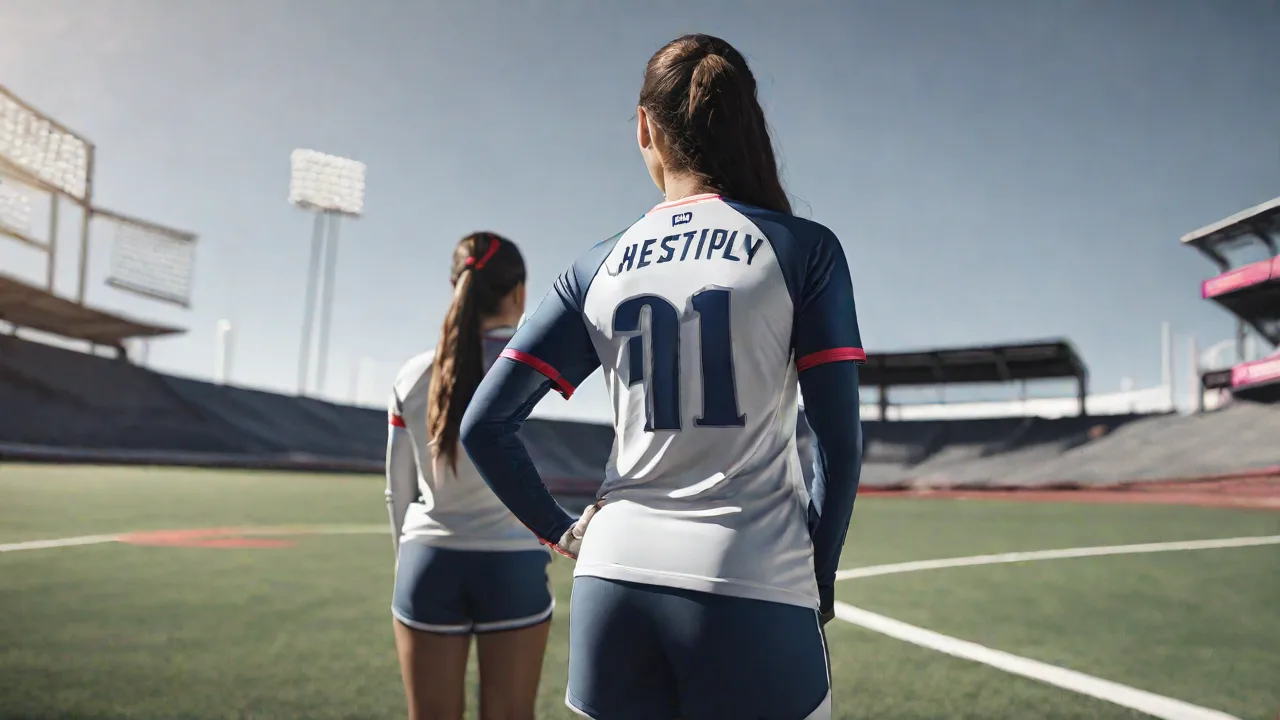
- Use contrasting colors for numbers and names to ensure visibility during gameplay.
- Consider the psychological impact of colors, such as blue for calmness and trust, or red for energy and passion.
Design and Graphics
Graphic elements elevate the visual appeal of jerseys and communicate the team’s spirit and values. Effective design strategies include:
- Integrating team logos prominently without overwhelming the overall aesthetic.
- Using abstract patterns or geometric shapes that appeal broadly rather than gendered motifs.
- Incorporating meaningful symbols or slogans that inspire and represent the team's ethos.
- Ensuring graphics are printed or embroidered with high-quality techniques for longevity.
Personalization
Personalization adds a layer of connection between the player and the team. Key personalization features include:
- Providing space for player names and numbers in visible, consistent locations.
- Allowing optional elements such as nicknames or motivational patches.
- Ensuring fonts used for names and numbers are easily readable and gender-neutral.
- Offering customization options during the ordering process to accommodate individual preferences.
Design Tips for Mixed-Gender Jerseys
Creating jerseys that appeal to all team members requires intentional design choices. Below are practical tips to guide the process:
Opt for Gender-Neutral Designs
Steer clear of stereotypical colors and patterns traditionally linked to gender roles, such as pink for women or dark, aggressive hues for men. Instead, embrace designs that feel fresh, modern, and inclusive. For example, incorporating gradient effects, abstract prints, or vibrant color blocks can appeal universally.
Inclusive Sizing and Cuts
Providing a comprehensive size chart that includes options from smaller to larger sizes ensures all team members find a suitable fit. Unisex cuts often work well, but offering alternative fits, such as a slightly tapered option, can accommodate individual preferences without segregating by gender.
Balance Aesthetics and Functionality
While the jersey must look good, it should never compromise on functionality. Breathability, ease of movement, and durability must be prioritized. For instance, mesh side panels enhance ventilation, and reinforced seams prevent damage during contact sports. Designs should enhance these features rather than obscure them.
Engage Team Members in the Design Process
Involving players fosters ownership and satisfaction. Methods include:
- Conducting surveys or polls to gather color and design preferences.
- Organizing design workshops or brainstorming sessions.
- Presenting design mockups for feedback before final production.
This collaborative approach ensures the final jersey reflects the collective identity and meets the expectations of all team members.
Additional Considerations for Mixed-Gender Team Jerseys
Addressing Body Shape Diversity
Mixed-gender teams naturally encompass a wide variety of body shapes, including differences in torso length, shoulder width, and chest size. Designers should:
- Use flexible fabric panels in strategic locations to accommodate shape variation.
- Incorporate adjustable elements such as drawstrings or Velcro straps.
- Provide detailed size charts with measurement guides tailored to different body parts.
Climate and Sport-Specific Needs
Consider the climate conditions and the specific demands of the sport when choosing materials and design features. For example:
- For outdoor sports in hot climates, prioritize lightweight, UV-protective fabrics.
- In cooler environments, offer layering options or jerseys with thermal properties.
- Sports involving frequent contact may require reinforced stitching or padded areas.
Ethical and Sustainable Practices
With growing awareness of environmental and social responsibility, many teams prefer jerseys made from sustainable materials and ethical manufacturing processes. Options include:
- Recycled polyester or organic cotton blends.
- Non-toxic dyes and water-efficient printing techniques.
- Working with suppliers committed to fair labor practices.
Choosing sustainable jerseys reflects positively on the team and sets an example for fans and the community.
Examples of Successful Mixed-Gender Jersey Designs
Examining real-world examples can inspire effective design choices:
- The Unity All-Stars: A co-ed soccer team that uses a bold teal and charcoal color scheme with abstract wave patterns, designed to symbolize fluidity and teamwork. Their jerseys feature unisex cuts with mesh panels for ventilation.
- The Harmony Hawks: A mixed basketball team whose jerseys incorporate a gradient design from deep purple to silver, with motivational phrases subtly printed on the sleeves. Adjustable side panels allow a tailored fit for all players.
- The Equinox Runners: Track team jerseys made from recycled fabrics, featuring minimalist geometric designs and reflective elements for safety during evening runs. Sizes range inclusively, and players personalize their jerseys with nicknames.
Conclusion
Designing custom jerseys for mixed-gender sports teams is more than a creative exercise—it is a commitment to inclusivity, respect, and team unity. By focusing on inclusive design principles, such as gender-neutral aesthetics, versatile sizing, comfortable materials, and player involvement, designers can create jerseys that not only look great but also empower every athlete on the team.
In doing so, these jerseys become a source of pride and identity, enhancing team spirit and performance. As mixed-gender sports continue to grow in popularity, the demand for thoughtful, innovative jersey design will only increase, underscoring the importance of embracing diversity in sports apparel.